

Antibiotics
Aquarium systems support large populations of bacteria. Nevertheless, they are among the least known and understood elements of aquarium keeping. They can cause diverse pathological conditions that include both acute systemic and/or chronic diseases. One of the most common means of treating these bacterial infections is to administer antibiotics. However, this is a grossly misunderstood part of aquarium and pond keeping and is rarely presented correctly to the aquarist or pondkeeper. The belief that antibiotics will solve all your problems is a common mistake often encountered in fish keeping. Antibiotics are of limited use for treating aquarium fishes because none of the antibiotics have been originally developed for fishes. Their requirements were originally quite different, with only some being adaptable to be used for aquarium fishes.
Since they were first discovered, antibiotics have revolutionised the treatment of a whole range of previously deadly diseases in man and animals. However, as a traditional strategy for aquatic disease management, antibiotics have been extensively criticised for the potential development of antibiotic-resistant bacteria, as well as having marginal effect in most cases. Antibiotics are generally not a hundred percent effective for treating aquarium fish against bacterial infections; some cannot be controlled with antibiotics. The success of chemotherapy with bacteriostatic compounds often depends on the ability of these compounds to control bacterial growth until the immune response can cope with the invaders. However, certain antibiotics also have been shown to suppress the immune system, potentially making aquarium fish more susceptible to viral or parasitic infections. Furthermore, the question remains whether these treatments completely eliminate infection. A likely scenario is that treatments only eliminate overt clinical signs and the treated fish become asymptomatic carriers.
A number of aquarium products are manufactured and marketed for the treatment and prevention of bacterial diseases. However, medications sold and used in the aquarium hobby vary in quality and effectiveness. In fact, some fish medications simply do not work. In 1974, Trust and Chipman tested eight products marketed for the treatment of bacterial diseases in aquarium fishes. The products contained erythromycin, neomycin, nitrofuran, penicillin, sodium sulfathiazole, sodium sulfamerazine, sodium sulfamethazine, streptomycin or tetracycline. When used at the concentration recommended by the manufacturer, the products failed to inhibit the growth of bacterial species known to be potential pathogens of aquarium fishes. Furthermore, one of the more effective antibacterial formulations was toxic to the fish. The results also showed that markedly higher levels of the formulations also failed to significantly decrease the numbers of viable bacteria in the aquarium water. It is worth noting that control of bacterial growth in aquariums may further be complicated by the presence of filtration (biological and chemical), sand, gravel, plants, and organic matter, since these will reduce the efficiency of the antibacterial compound by direct inactivation or by mechanically protecting the bacteria from attack.
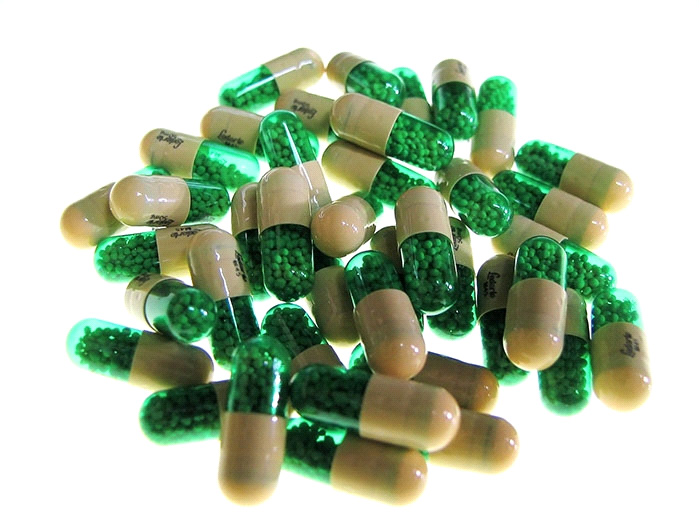
The method most commonly used to treat bacterial diseases of aquarium fishes is to bathe the fish in a water-soluble antibacterial compound. Although few studies have directly compared drug levels attained by different routes of administration, practical experience suggests that therapeutic levels can rarely be attained by bathing fish in chemotherapeutics. In fact many antibiotics are not suitable, being ineffective for use in water against bacteria, because the antibiotics are not readily soluble in water. This is because the antibiotics are for human and animal oral ingestion, and remain insoluble until the internal organs do the dissolving. If the antibiotics are added to the water, many will only moderately dissolve. At best, for those antibiotics that do fully dissolve in the water, they will be effective for at most about an hour or less in the aquarium or pond water. Therefore, bath treatments should only be considered when treating primarily external bacterial infections of the skin and gills of fish.
Currently, most of the therapeutic dosages used for aquarium fish have been extrapolated from the aquaculture literature. This is because there has been relatively little research related to the pharmacology for aquarium or ornamental pond fishes. Much of the literature dealing with antibiotic usage in aquarium fish is empirical and anecdotal. Therefore, it seems undesirable to continue to allow the unrestricted sale of antibiotics for aquarium use.
Nevertheless, despite these limitations, there are times when antibiotics can be successfully used in treating certain bacterial infections of aquarium or ornamental pond fishes. The problem is in knowing in each case what the bacterial infection is and which antibiotic is the right one to use. There are not a lot of specialists in aquarium and ornamental pond keeping who can readily provide this answer. Without expert testing of the antibiotic on the infecting bacterium, it is impossible to know beforehand whether it will be effective or not as a treatment.
Most cases will require rapid scientific identification of the bacteria involved and selection of a specific antibacterial agent. However, even veterinarians with laboratory diagnostic experience cannot make an accurate diagnosis of some
problems without microscopic examination of the fish or cultivation of bacteria. If the fish have a bacterial disease and the causative agent has been identified, a sensitivity test will need to be performed to ensure that the correct medication is used. The incidence of resistant bacteria is high and a sensitivity test will show the resistance of the disease-causing bacteria to various antibiotics. However, when multiple tests are done on a bacterial infection of a particular fish to find out which antibiotic will kill the infection, it is common that the bacteria involved will be found to be resistant to most commercially available antibiotics.
For the detection and identification of bacterial pathogens in populations of fish showing disease signs, ideal samples are multiple (five or more) moribund fish or those showing clinical signs typical of the disease outbreak. For the detection of subclinical infections in populations of asymptomatic fish, larger sample numbers may be necessary. Fish that are found dead at the time of sampling are not suitable for bacteriological examination, unless they are known to be very fresh. Contaminating bacteria can grow quickly in dead fish, particularly in warm water.
Antibiotics are only effective in treating bacterial diseases if treatment is applied very early during the course of the disease. Medicated feed or injection, are the preferred method for treating systemic (internal) bacterial infections. Dose rates are based on fish weight and are expressed as weight of chemical per weight of fish per day for a specified number of days. Improper doses may result in an ineffective treatment or mortalities. However, the effectiveness of oral antibiotic therapy has been inconsistent as infected fish generally have a reduced appetite and, as a consequence, mortalities continue to occur.
Regardless of the antibiotic used, treatments should always be the maximum recommended dose and should be used for the total number of days recommended even if the fish appear to have recovered. If the dose is too high or treatment times are too long, there is a danger of toxicity to the fish, frequently causing liver, kidney, or other organ damage that may or may not be reversible. On the other hand, if the dose of antibiotic is too low or treatment time is too short, the bacteria will not be killed or weakened enough for the immune system of the fish to remove them, and this greatly increases the risk of the bacteria developing resistance to the antibiotic. When bacteria become resistant to a specific antibiotic, even high concentrations of that drug will not be effective.
Over the last number of years the veterinary use of antibiotics has been the subject of media attention. The apparent increase of the occurrence of antibiotic resistance among bacteria from various areas of animal production and its possible implications for public health have in many countries lead to an intensified surveillance of bacterial resistance. Bacteria carrying transferable drug resistance factors have also emerge in household aquaria and in the aquaria of the distributors of ornamental fishes. This pool of multidrug-resistant bacteria may have considerable health implications since fishkeepers can be exposed to aquarium-borne, drug-resistant bacteria. This exposure can be by either direct contact with the water or indirect contact mediated by the spread of a bacterial aerosol formed by the action of aquarium aeration.
When ornamental fish are sold by retail stores to the public, the fish and a volume of their aquarium water is generally transferred to a plastic bag. Although this allows the fish to be transferred to the purchaser's aquarium, it also represents one means by which the aquarium hobbyists could be exposed to pathogenic organisms. The aquarium water supplied with ornamental fish purchased at retail outlets contains significant numbers of a wide variety of bacteria. Since the efficacy of antibiotics in protecting the health of ornamental fish is not proven and since the incidence of human infections by drugresistant bacteria is on the increase, compounds used in the therapy of fish diseases should not include antibiotics used in human medicine.
Most countries have a regulatory approval and control system for all antibiotic agents and products containing antimicrobial agents used in animals, including aquaculture. However, the conditions under which antibiotics are supplied varies around the world. In some areas they are available “over the counter” from retailers. In other regions they are available only by prescription from a veterinary surgeon.
Antibiotic Resistance
Antibiotic resistance is a property of bacteria that enables them to grow in the presence of antibiotic concentrations that would normally kill or suppress the growth of susceptible bacteria. Antibiotic resistance occurs naturally in some genera of bacteria and in others it is acquired. The antibiotic resistance of greatest concern is that which is acquired by bacteria through genetic mutations or through movement of antibiotic resistance genes from one bacterium to another. Resistant bacteria can transfer the resistance to other bacteria (even to bacteria of different genera) that have never been exposed to the antibiotic. At the same time, the fact that one microorganism acquires resistance against an antibiotic seems to help it in becoming resistant against others. Genes that confer resistance to antibiotics let bacteria become resistant to many related antibiotics all at once. Therefore, the continued use of an antibiotic in the presence of resistance allows those resistant bacteria to survive and become dominant within the bacterial flora.
An aquarium contains a mixed bacterial culture growing in a liquid medium, and it is in these conditions in which microorganisms of different species and strains coexist and multiply simultaneously that there is ample opportunity for the transfer of genetic information, including that concerned with drug resistance. The use of antibacterial products at subtherapeutic levels will certainly provide the selection pressures necessary to increase the numbers of these drug-resistant strains in aquaria and hence in the environment.
Antibiotic efficiency has been declining for various reasons, not least the development of bacterial resistance. The causes for appearance of antibiotic resistance can be many and varied. Disease in commercial ornamental fish farms can cause great economic losses and breeding facilities are rarely supervised by fish health services. This has resulted in the indiscriminate use of antimicrobials and chemicals to control infection. These substances are applied prophylactically under uncontrolled
conditions and often using wrong dosages. The uncontrolled use of antibiotic substances leads to the situation that fish come in contact with different antibiotics and chemotherapeutants at an early age and bacterial resistances are built up. Among the wide spectrum of bacteriostatic drugs, the following are used most frequently: nitrofurazone, neutral acriflavine, oxytetracycline (Terramycin), Combiotic (veterinary penicillin) and neomycin sulphate.
Furthermore, antibiotic substances are also used in shipping water. However, while they may strengthen the resistance of fish, they are probably of little value in shipping water. After shipment, the fish undergo further prophylactic treatments to prevent disease outbreaks in the importers holding facilities. Most fish importers use antibiotics in fish tanks as a preventative measure against illness from aquatic fish pathogens. The most common antibiotics used are chloromycetin, tetracycline, metronidazole and sulphadiazine. Therefore, the very high rate of antibiotic resistance in ornamental fish is probably mainly due to the uncontrolled application of antibiotic drugs.
The resistance of bacteria to antibiotics and other synthetic chemotherapeutic agents has been recognised for many years. There is also clear evidence that the use of antibiotics in the ornamental fish industry has been accompanied by the emergence of resistant variants of bacteria associated with fish disease. The emergence of antibiotic multi-resistant bacteria in the ornamental fish industry in Southeast Asia was detected as early as the mid 1970’s. Shotts et al (1976) found antibiotic multi-resistant isolates of the ‘Aeromonas hydrophila complex’ in water and ornamental tropical fish imported from Southeast Asia. A high percentage of the A. hydrophila isolated were resistant to ampicillin, an unnamed tetracycline, sulphamethoxazole-based drugs and streptomycin.
In 1976, a number of aquarium fish were purchased from 14 Canadian retail outlets. The fish were supplied in plastic bags containing water taken from the aquaria in which the fish had been housed. The water in each container was sampled for bacteriological examination immediately upon arrival at the laboratory, and the fish were transferred to holding aquaria. There was a total of 40 water samples, each representing a single aquarium and including a single fish species. Isolated bacteria included 57 strains of Aeromonas, 57 Pseudomonas and 51 strains of Citrobacter. Other bacteria included species of Acinetobacter, Flavobacterium, Proteus, Providencia, Serratia, Staphylococcus, and Vibrio. It should be noted that mycobacteria were not isolated in the study, but this may have been due to the relatively short incubation times and the nonselective media used.
A total of 70 different patterns of resistance were demonstrated, with 47% of the isolates being resistant to five or more of the antibacterials employed. The majority of strains were resistant to penicillin, tetracycline, streptomycin, ampicillin, cephaloridine, sulfonamide, and kanamycin, but resistance to chloramphenicol, furadantin (Nitrofurantoin), and nalidixic acid was not uncommon. Resistance to carbenicillin and trimethoprim was rare, and resistance to gentamicin and polymyxin was not observed. Water samples containing the aquarium fishes purchased at the retail outlets also contained bacteria capable of growth on media supplemented with antibiotics or chemotherapeutic agents. This data indicates that water containing ornamental fishes frequently contains bacteria that are resistant to more than one antibiotic or chemotherapeutic agent. Many of the multidrug-resistant species isolated in this study, such as Pseudomonas fluorescens, are probably naturally resistant to many of the antibiotic agents tested.
During 1999–2000, a screening program on fish samples collected from two German ornamental fish importers newly imported from four different Asian countries of origin (Hong-Kong, Thailand, Singapore and Sri-Lanka) were examined within two weeks of importation. Two fish species were examined from each country of origin. For each sample, 15 fish for each group were sacrificed, dissected and examined. After differentiation of the bacteria found, antibiogrammes were established on Müller-Hinton-agar. The following substances were involved in the testing procedure: Chloramphenicol, Trimethoprim-Sulphonamide, Oxytetracycline, Furazolidone, Chlortetracycline, Enrofloxacin, Flumequine, Oxolinic acid, Amoxicillin, Gentamicin, Neomycin, Colistin and Florfenicol. The inhibition test was carried out at three pH-ranges: pH 6.0/7.2/8.0.
A total of 250 positive bacterial agents could be detected. Most of the findings were of facultative fish pathogenic nature. Only a few specific bacteria could be identified. A total of 13 cases of mycobacteriosis were detected after Ziehl-Neelsen staining. In ten samples, Flavobacterium columnare was identified. Two cases of Aeromonas salmonicida subsp. achromogenes and of Vibrio anguillarium infection were recorded. In the case of the facultative fish pathogenic bacteria, mainly motile aeromonads were found, most of them Aeromonas sobria. Furthermore, Pseudomonas (33 cases) and Myxobacteria (30 cases) were identified. Another 35 other bacterial and 38 mycotic (fungal) agents were also isolated.
High disparities were observed between the rates of resistance of the different antibiotic substances tested. The lowest rate of resistance was found for Florfenicol (13.4%) while Oxytetracycline showed the highest rate (90.1%). In general, the resistance situation for substances used frequently in ornamental aquaculture (Tetracyclines, Furazolidone, potentiated Sulfonamides) is very unfavourable. In contrary, the rate of resistance for Florfenicol, Colistin and also for Enrofloxacin was low.
In 2002, isolates of Aeromonas species from tropical fish imported into the U.S. from Singapore were found to be resistant to ampicillin (94.9%), with variable resistance to cephalexin (76.3%), trimethoprim (37.3%), tetracycline (11.9%), cefuroxime (5.1%), and ceftazidime (1.7%). All strains tested were susceptible to gentamicin, chloramphenicol, and ciprofloxacin. In another study, antibiotic susceptibility tests were performed on 164 strains, and resistance to ciprofloxacin, nalidixic acid, furazolidone, streptomycin and norfloxacin were recorded.
A research project on antibiotic susceptibility with three isolated strains of Pseudomonas, found that the bacteria were resistance to eleven out of fifteen antibiotic drugs that were tested. All the strains were highly sensitive to gentamycin while chloramphenicol and cefotaxime ranked second. Resistance to pefloxacin, kanamycin, streptomycin, erythromycin,
ampicillin/sulbactam, olfloxacin, amikacin, piperacillin, ciprofloxacin, ceftizoxime and tetracycline were shared by all three strains. Only a few antibiotics are effective against Pseudomonas. These have included fluoroquinolone, gentamicin and imipenem, but even these antibiotics are not effective against all strains.
In 2007, approximately fifty diseased aquarium fish were collected from an aquarium shop in Kuala Terengganu, Malaysia. In the laboratory, 25 isolates were successfully isolated from the diseased fish. One isolate of each Edwardsiella tarda, Flavobacterium sp., Stenotrophomonas maltophilia, Serratia marcescens, Acinetobacter baumannii, Acinetobacter iwoffi, Yersinia sp. and Enterobacter sp., 3 isolates of Chromobacterium violaceum and 15 isolates of Aeromonas hydrophila.
The result of this study showed that the majority of the isolated bacteria were Aeromonas hydrophila. Although Stenotrophomonas maltophilia and Serratia marcescens are rarely reported in ornamental fish, several studies claimed these types of bacteria have been isolated from diseased fish. In this study, 41.8% cases of antibiotic resistance were recorded. On the contrary, 23.7 and 34.5% cases of intermediary sensitivity and susceptible, respectively against the tested antibiotics were noted. Most of the present isolates were resistant to sulphamethoxazole except for Acinetobacter iwoffi which was found to be intermediary sensitive. In the present study, kanamycin was found to be effective in controlling the present isolates because only one isolate showed resistance to it.
Most of the imported bacterial diseases from Asia have multiple antibiotic resistances and are totally immune to any of the legal treatments allowed by the U.S. Food and Drug Administration. In the U.S., more than 90% of strains are susceptible to third-generation celphalosporins (cefotaxime, ceftriaxone, ceftazidime and cefoperazone) and aminoglycosides (gentamicin, tobramycin, amikacin, sisomicin, netilmicin, kanamycin, and neomycin). Nearly all aeromonads are susceptible to quinolones (ciprofloxacin, norfloxacin, ofloxacin, levofloxacin, sparfloxacin, moxifloxacin and gatifloxacin. Most U.S. strains are susceptible to chloramphenicol, tetracycline, minocycline, doxycycline, and nitrofurantoine, but resistant to clindamycin, vancomycin, and erythromycin. Imipenem was found effective for treatment of Aeromonas infection.
At present, the ornamental fish trade is running out of chemotherapy options due to the emergence of resistant strains and the strict control on the licensing of antimicrobials for use in fish therapy. There seems to be no clear way to stop the emergence of resistant bacteria as long as antibiotics are used. This could be achievable however, if communication between fish health specialists and the ornamental fish trade is increased and more scientific research on chemotherapy or alternative treatments are addressed to this particular group of fish.
The subject of diseases in the aquarium trade, in general, puts the industry in a difficult position. Representatives of the pet-fish industry are frequently reluctant to talk about problems with diseases for fear that it will result in additional regulations. Privately, they however admit that diseases of their stocks during confinement in close conditions, during culture, transportation, or holding facilities are a serious problem.
Some researchers have suggested ways of dealing with the problem. One suggestion is the use of probiotic bacteria to balance bacterial populations (harmful and harmless bacteria), and the shifting of the ecological balance from resistant to susceptible bacteria by sensible chemotherapy programmes. Probiotics may protect their host from pathogens by producing metabolites which inhibit the colonisation or growth of other microorganisms or by competing with them for resources such as nutrients or space. Recent studies have found that Spirulina algae functions as a probiotic, allowing the fishes own immune system to function at a higher level of activity.
Antibiotics use in Aquariums
Antibiotics are of limited use for treating aquarium fishes because none of the antibiotics have been originally developed for fishes, but were developed for man and farm animals. Their requirements were originally quite different than for fishes, with only some being adaptable to be used for fishes.
Aminoglycosides are toxic to fish and should be used with caution. Severe kidney lesions have been reported in goldfish treated with gentamicin. Toxicity may be exacerbated by a high ammonia concentration in the water. Aminoglycosides include amikacin, gentamicin, kanamycin, neomycin, netilmicin, paromomycin, rhodostreptomycin, streptomycin, tobramycin, and apramycin. ~ The Merck Veterinary Manual (2008).
Amoxycillin Furunculosis, Gill-disease 60–80 mg/kg body weight of fish/day for 10 days
Chloramphenicol Columnaris, Enteric Red Mouth, Fin-rot, Furunculosis, Haemorrhagic Septicaemia, Pasteurellosis, Ulcer Disease, Vibriosis (a) 50–70 mg/kg of food/day for 5-10 days (b) 10–50 mg/L of water, as a bath
This drug should not be used for home aquaria because it is unstable in water, and poorly absorbed by target fish; and, it can cause fatal human aplastic anaemia if touched by a person who is allergic to the compound. (N. Frank, AquaVetData editor, 1998)
Ciprofloxacin Ciprofloxacin is a synthetic broad spectrum antibiotic that is effective against gram-negative and some gram-positive bacterial pathogens of fish. It can be used for finrot, skin lesions and other systemic disease. Because it inhibits unique target enzymes needed for bacterial replication and DNA repair, it may be effective against bacteria unresponsive to other antibiotics. Treatment is usually by immersion bath. Ciprofloxacin activity decreases with pH above 6.9. It can be bacteriostatic or bactericidal depending on the effective concentration at the target site.
Difloxacin Furunculosis 5 mg/kg body weight/day for 5–10 days
Doxycycline Streptococcosis – 2 mg/kg body weight of fish/day for an unspecified duration. Used against susceptible bacteria as a prolonged immersion at a dose of 2–3 mg/L.
Enrofloxacin Bacterial Kidney Disease, Furunculosis 10 or 20 mg/kg bodyweight/day for 10 days
The compatibility and efficacy of enrofloxacin, an antibiotic belonging to the quinolones, was tested for five ornamental fish species (Herotilapia multispinosa, Pterophyllum scalare, Symphysodon discus, Brachydanio rerio and Melanochromis johanni). The results prove that enrofloxacin has a high tolerance level for ornamental fishes and high efficacy against important bacterial diseases. 30 mg/L water over 5 hours is recommended for the treatment of ornamental fishes.
Erythromycin Bacterial Kidney Disease, Streptococcosis (a) 25-200 mg/kg of fish/day for 4 -12 days (b) 20 mg/kg as an Injection
Florfenicol Florfenicol is a structural analogue of chloramphenicol similar to thiamphenicol, but with more activity against some organisms than chloramphenicol. It differs importantly from chloramphenicol in that it lacks the para-nitro group that is believed to be responsible for the problems of aplastic anaemia. The U.S. Food and Drug Administration have approved the use of florfenicol as a medication food additive for the treatment of Flavobacterium columnare. Recommended dosage is 10 mg of florfenicol per kg of body weight of fish for 10 consecutive days. Florfenicol is a drug that has great potential to control and reduce mortalities associated with a number of fish diseases.
Furanace Coldwater Disease, Columnaris, Fin-rot, Gill Disease, Haemorrhagic Septicaemia, Vibriosis (a) 2–4 mg/kg of fish/day for 3–5 days (b) 0.5–1 mg/L of water for 5–10 min, as a bath
Kanamycin Fin rot, Haemorrhagic Septicaemia, Mycobacteriosis, Vibriosis 50 mg/kg of fish/day for 7 days
Kanamycin has been used with some success to treat bacterial diseases of ornamental fish. It can be administered orally at 20 mg/kg, by injection at 20 mg/kg, or in a bath at a concentration of 750 mg/L for 2 hours. Anorectic fish can be medicated with a bath treatment or by injection, repeated daily, until fish begin to eat, at which time the drug can be incorporated into the feed to complete the treatment period. Treatment should be continued for 7 days beyond the alleviation of clinical signs.
Kanamycin mixed with food has been reported as effective in curing fin and tail rot among ornamental fishes. It has also been reported that Kanamycin is absorbed from water by fishes. Dose: 2-5 gm/L for 4–5 days. Afterwards make a 35–50% water change. Also mixed in the food at 200–300 mg into 100 gm food.
Nitrofurazone Dose is 20 mg/L as a 5-hour bath; 100 mg/L as a 30 minute dip; Used as a prolonged immersion at 2 mg/L for 5 to 10 days. Several soluble forms exist.
Oxolinic Acid Columnaris, Enteric Redmouth Disease, Furunculosis, Haemorrhagic Septicaemia, Vibriosis (a) 10 mg/kg of fish/day for 10 days (b) 1 mg/L of water as a bath for 24 hours (c) 25 mg/L of water as a dip for 15 minutes – two times daily for three days
Oxytetracycline (Terramycin) 50–75 mg/kg of fish/day for 10 days. Terramycin is usually incorporated into the feed at 0.5 gm/100 gm food. Terramycin must be fed for 10 days to control the infection. An additional consideration when feeding Terramycin is the drug can be broken down by high temperatures, and it doesn't work very well in very hard water. As much as 95% of the efficacy of the drug is inactivated.
Sulphonamides (sulphisoxazole, sulphamerazine, sulphamethazine) 100-200 mg/kg of fish/day for 10–20 days
Sulfonamides inhibit the growth and multiplication of certain bacteria, but do not kill them. Because of their toxicity and increasing resistance of bacteria to them, sulphonamides are of limited use in fish disease control.
Tetracycline 75–100 mg/kg of fish/day for 10–140 days
Feed Additives In the aquaculture industry, antibiotics have been added to feed as growth promoters, to treat specific diseases or as prophylactics. Investigations using chromatographic methods have determined that many artificial larval feeds, including shrimp flakes and micro-encapsulated diets, are adulterated with various antibiotics such as oxytetracycline, oxolinic acid and even chloramphenicol.
Ultraviolet light, or UV, has been used for treating and disinfecting water for decades by aquarium hobbyists. By now most hobbyists are familiar with the term and understand that a UV system can disinfect water, but that is usually where it ends.
Ultraviolet radiation is similar to visible light in all-physical aspects. It has a shorter wavelength just before the violet end of the visible colours. In scientific terms, UV radiation is electromagnetic radiation just like visible light, microwaves and x-rays. Electromagnetic radiation is transmitted in the form of waves that are described by their wavelength or frequency as well as their amplitude (strength or intensity). For radiation in the UV region of the spectrum, wavelengths are measured in nanometres (nm).
UV light can be categorised as UV-A, UV-B, UV-C or Vacuum-UV, with wavelengths ranging from about 40 to 400 nanometres. The UV-A range causes “sun tanning” of the human skin. The UV-B range causes “sun burning”. The UV-C range is absorbed by DNA and thus can cause cancer and mutations. This is also the range that is most effective in inactivating bacteria in the aquarium water. The VacuumUV range is absorbed strongly by water and air and thus can only be transmitted in a vacuum.
The most effective UV radiation is UV-C (200-280 nanometres). UV-C light disinfects water by permanently deactivating bacteria, spores, water moulds, viruses and other pathogens, thus destroying their ability to multiply and cause disease. The maximum effectiveness occurs at between 240 and 280 nm, with the most effective wavelength typically at 254 nm. Although, recent research has shown that UV radiation at wavelengths between 263 and 275 nm are the most effective for the deactivation of particular target organisms.