

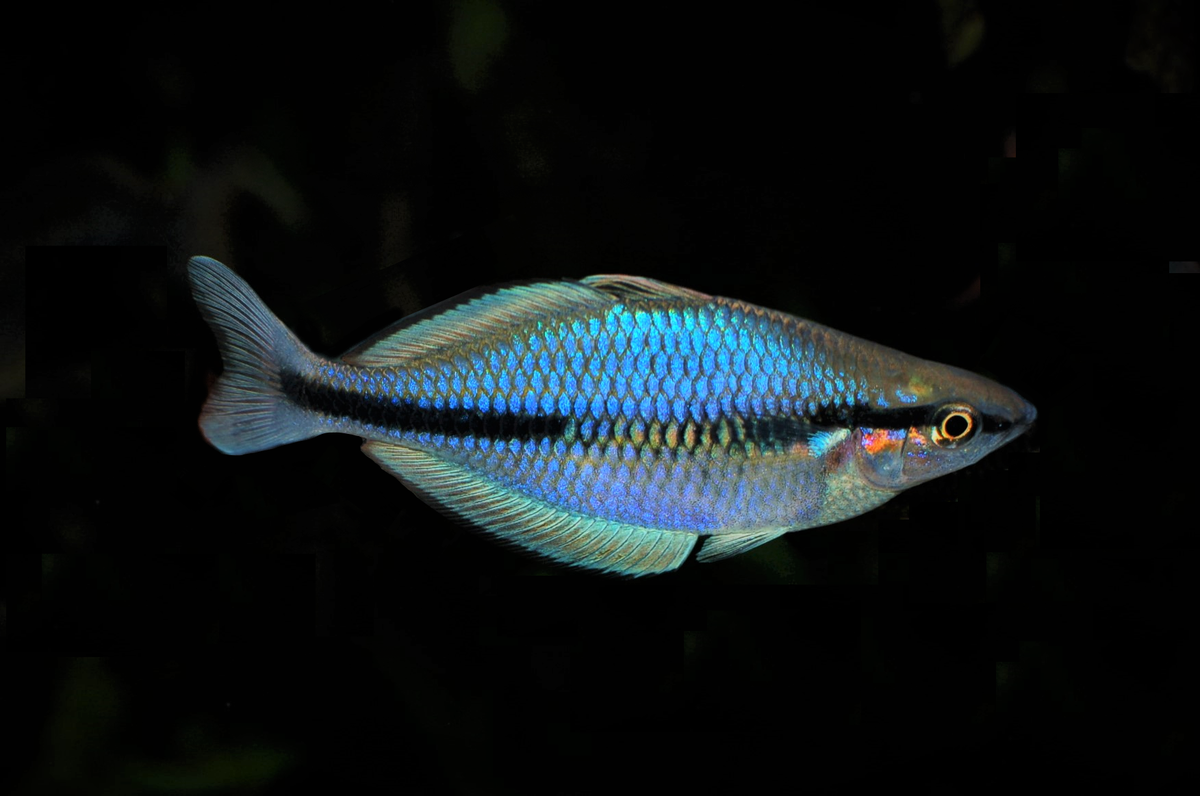
Melanotaenia sp. “Kali Lutit”
Azure Rainbowfish (specimens have also circulated in the hobby as Melanotaenia sp. “Kali Komeng”)
Species Summary
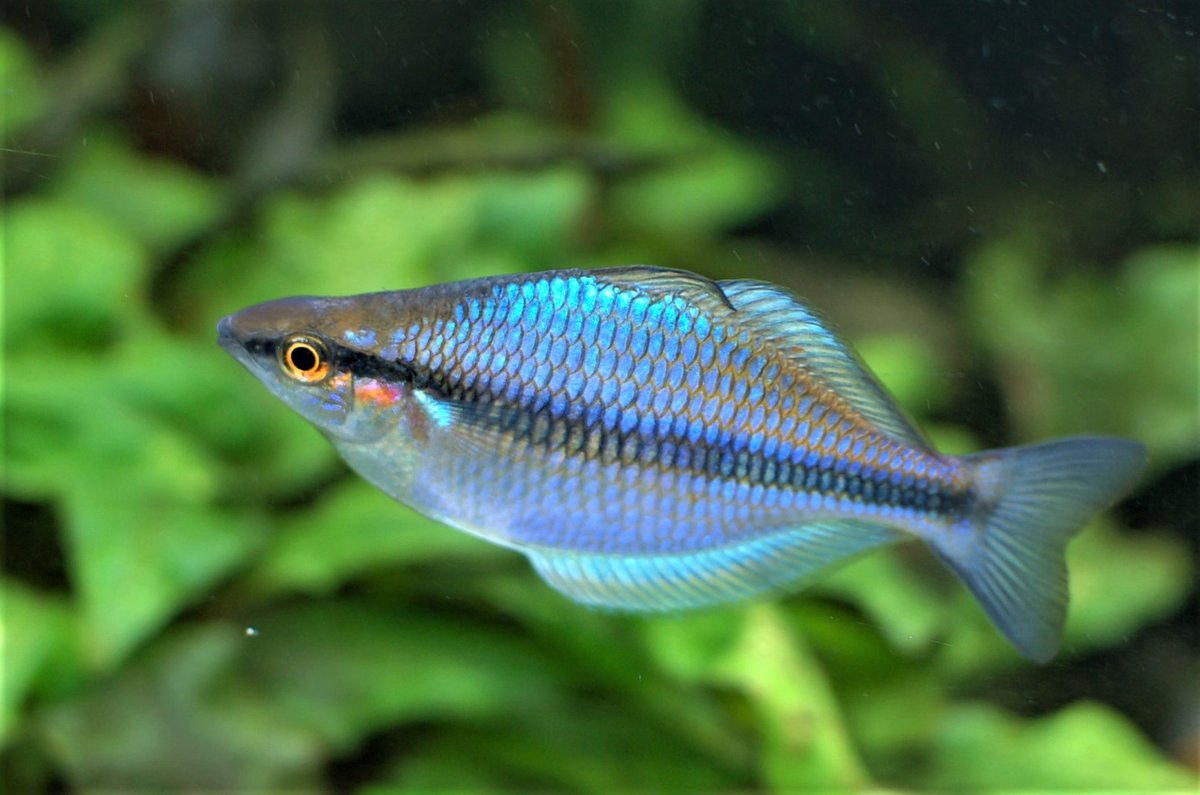
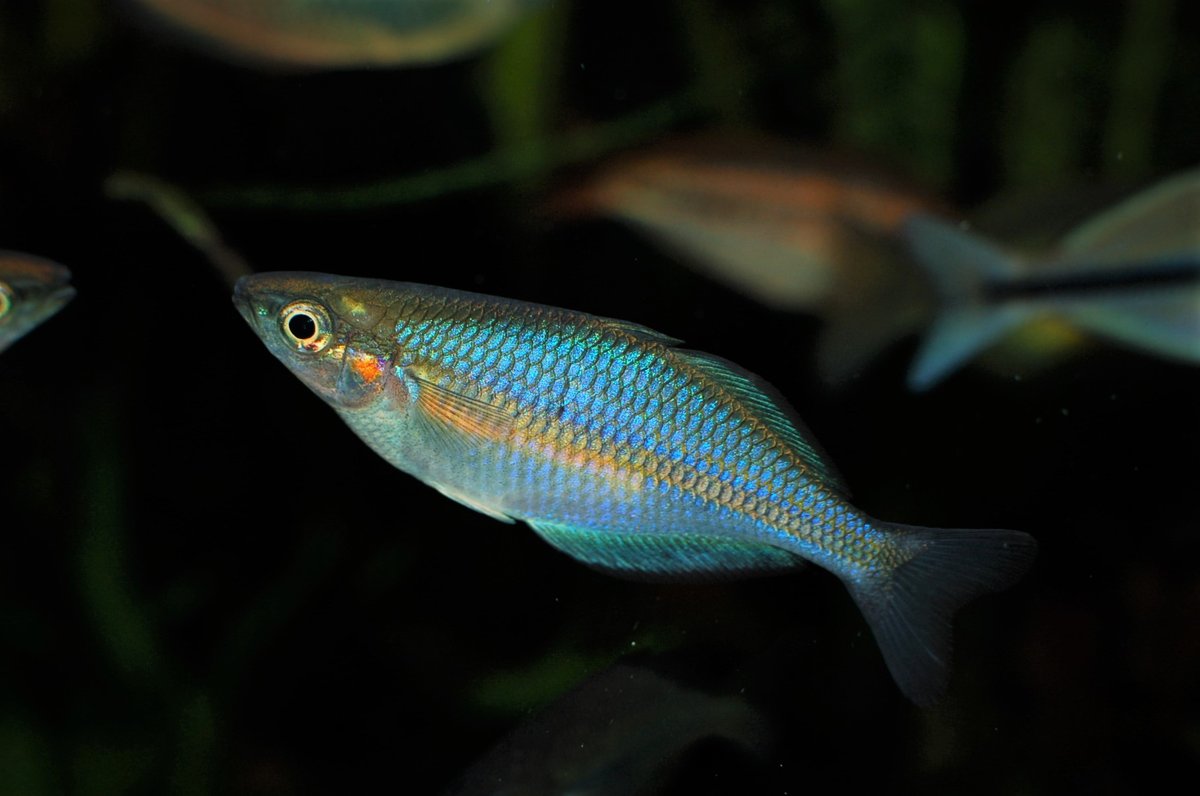
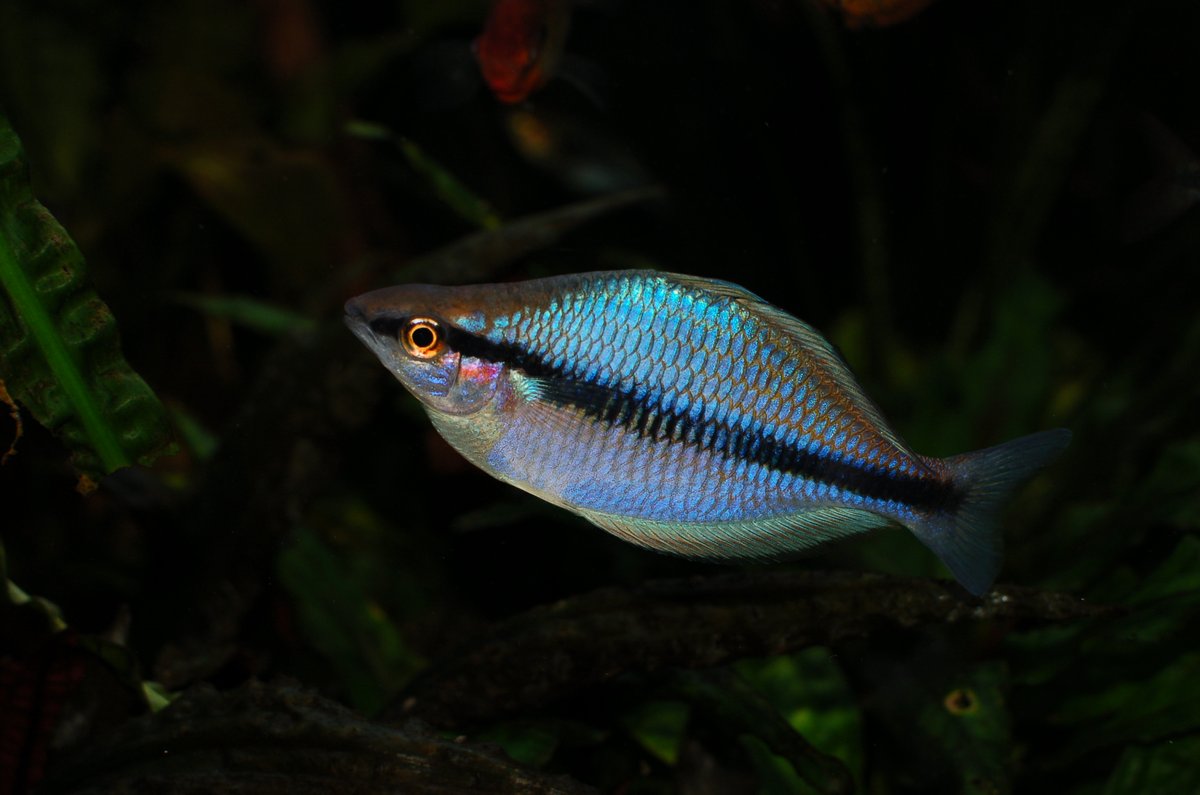
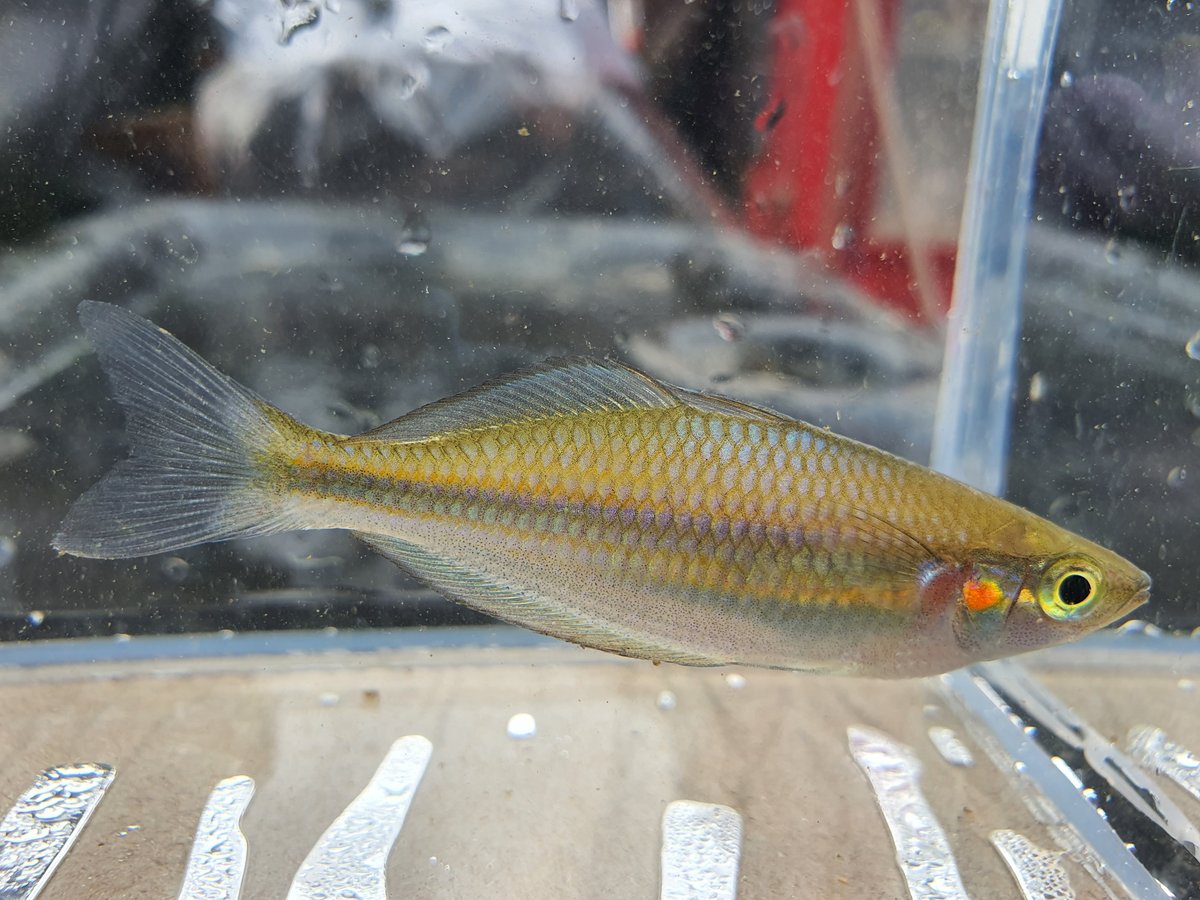
Melanotaenia sp. “Kali Lutit” is an undescribed rainbowfish belonging to what is commonly referred to as the “goldiei” group of species, which comprises a large number of distinct populations and undescribed species from various locations in southern West Papua and Papua New Guinea. Males reach at least 10 cm SL and become increasingly high-bodied with age. They are a uniform metallic azure blue (very much like M. praecox, but in a lighter tone), with a very prominent black band extending from the eye to the caudal peduncle; older males sometimes develop faint pinkish stripes on the upper posterior half of the body. The unpaired fins are yellowish to ice-blue with a black margin, sometimes pinkish in younger fish. Females are almost as colourful as males but remain very slender even at an old age, with more rounded unpaired fins than the males; when mating, males show a white nape stripe and their colours intensify greatly.
Specimens of this species labelled as Melanotaenia sp. “Kali Komeng” briefly became available in the trade in the USA, Europe and Asia in 2019 (according to internet records), but apparently never reached a wider distribution. Fish attributable to this species have most recently been collected in several tributary streams of Kali Kouh (e.g. Kali Nyum, Kali Komeng and Kali Lutit) in the upper Digul system of West Papua, close to the PNG border, by Graf, Heemskerk, Mailliet and Ohee in 2023. They have since been bred successfully in Germany and should hopefully become more widely available in the near future.
Distribution & Habitat
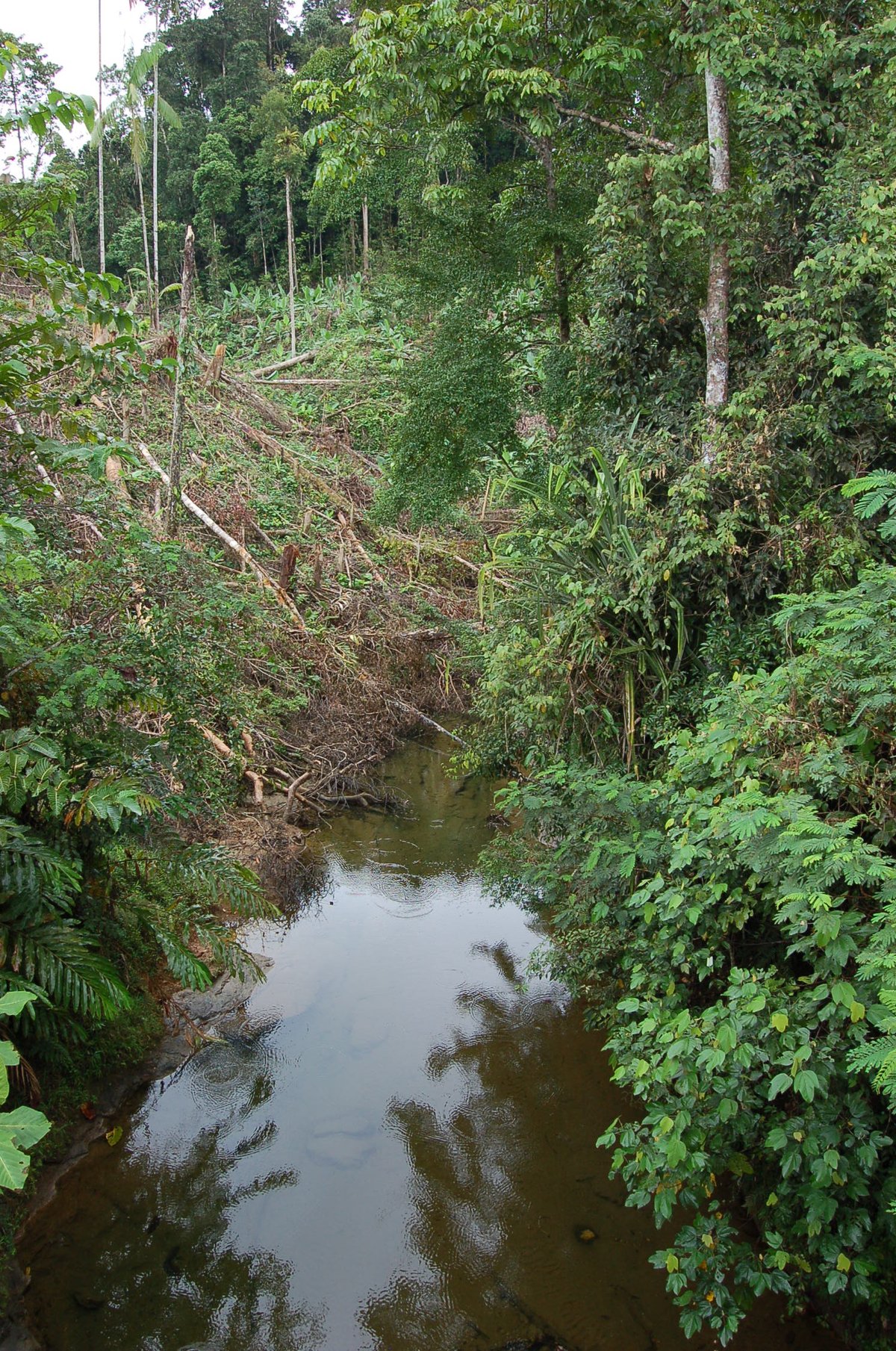
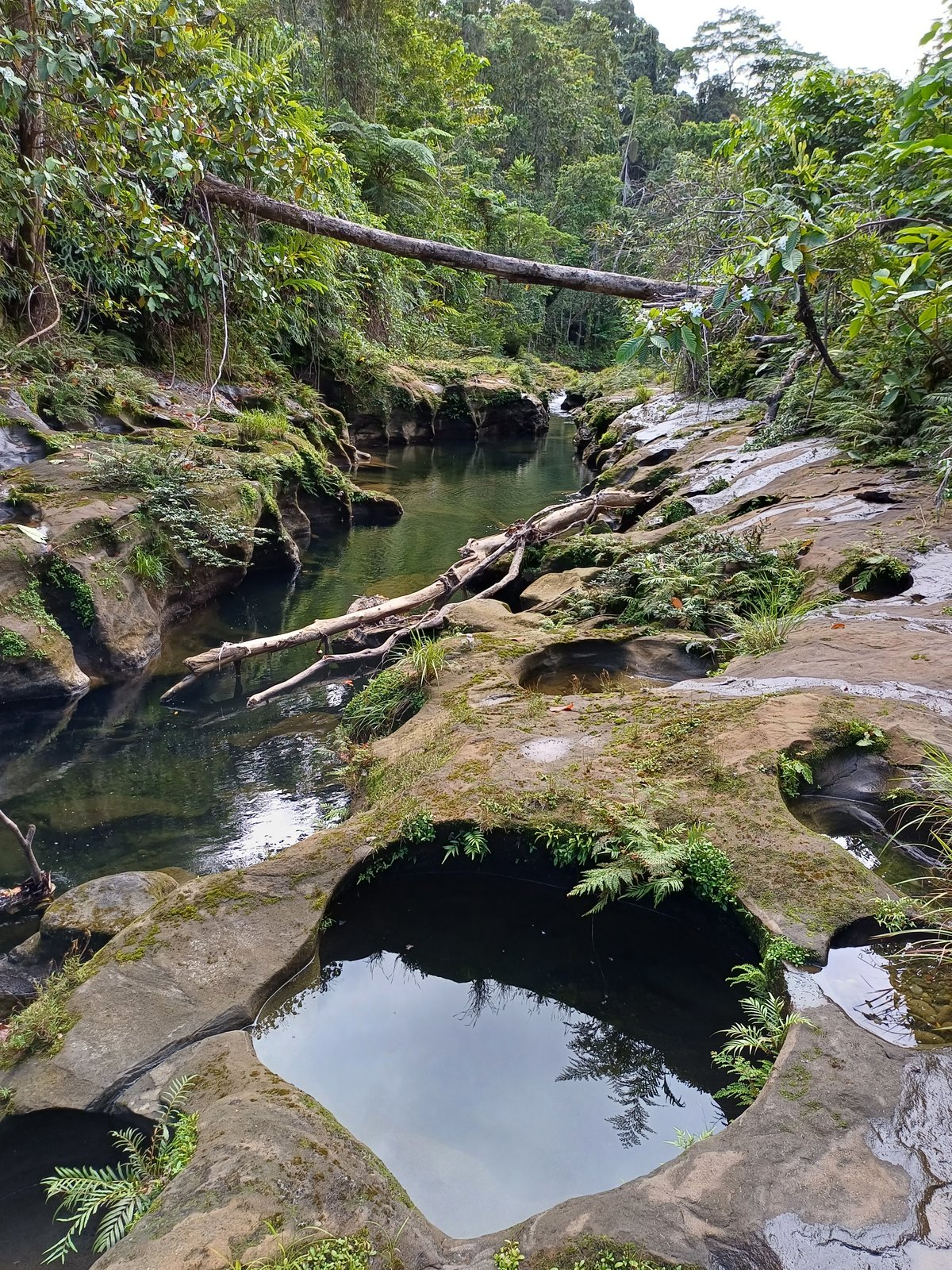
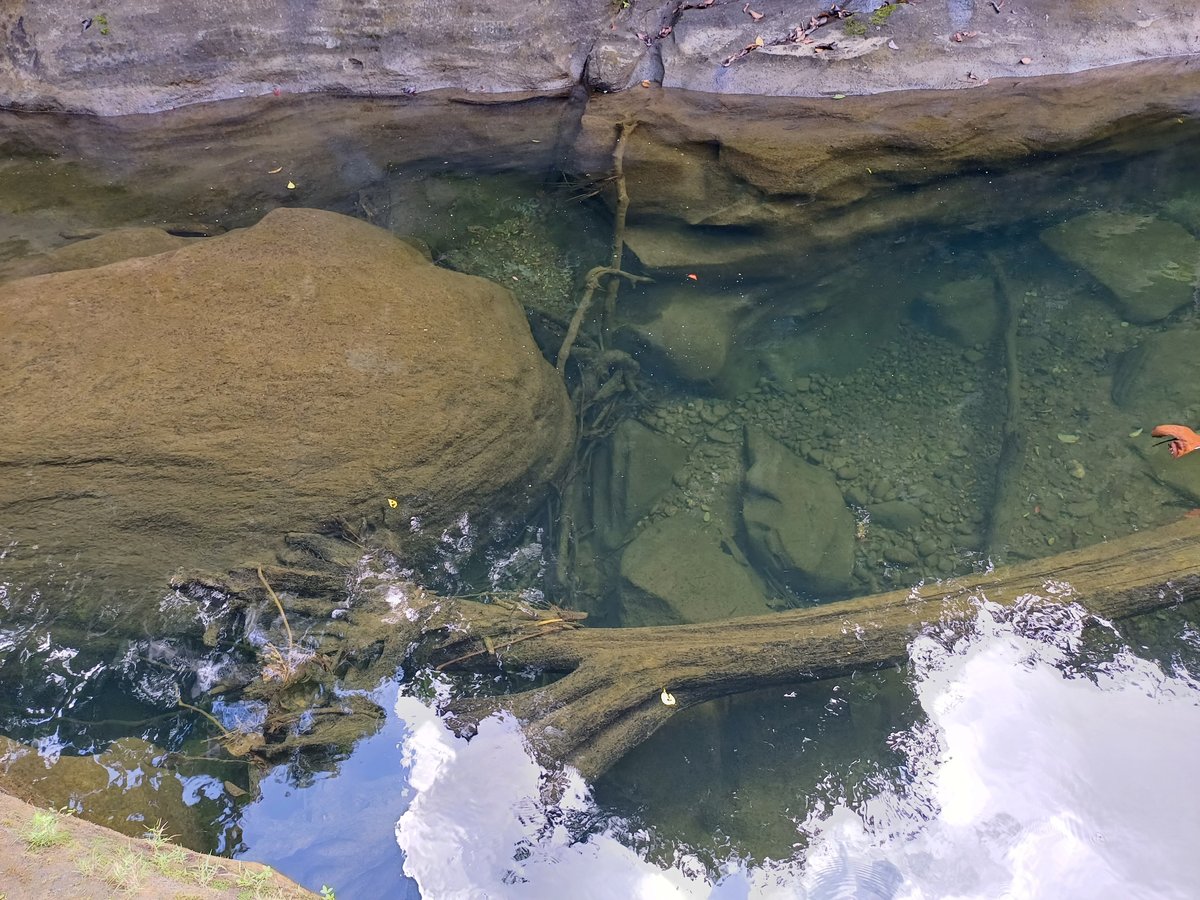
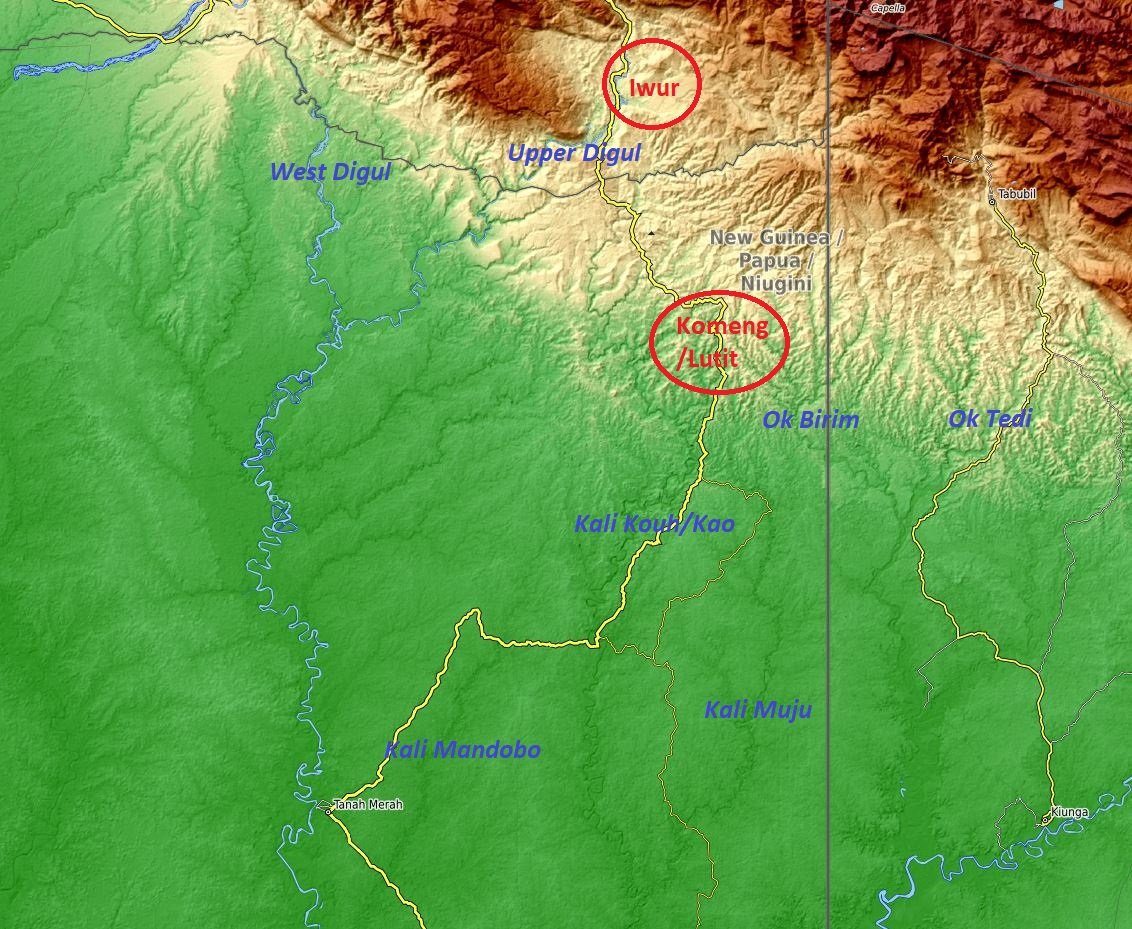
As far as is currently known, Melanotaenia sp. “Kali Lutit” occurs in various eastern tributaries of Kali Kouh, one of the main tributaries of the upper Digul River in West Papua. The exact limits of its distribution are unknown, and it probably occurs in other nearby streams yet to be surveyed — the wider Digul system covers a huge area with several major tributaries, which in all likelihood harbour further unknown rainbowfish species and populations. Fish were found both in larger, slower-flowing streams such as Kali Nyum and in fast-flowing, smaller ones such as Kali Lutit and Kali Komeng, at elevations between 100–200 m. They occurred together with Melanotaenia rubrostriata and Craterocephalus randi, as well as Glossamia sp., Cynoglossus sp. and various shrimps and gobies; Hephaestus sp. was also observed.
Melanotaenia sp. “Kali Lutit” is related to another rainbowfish population from Iwur (P. Unmack, pers. comm.), in the upper reaches of the Digul River close to the mining town of Oksibil. That location is only about 35 km north of where the Azure Rainbowfish was found, but sits in an entirely different part of the Digul system, effectively separated by hundreds of kilometres of waterways. The Iwur fish stay much smaller and show darker blue-mauve colours, with reddish fins.
Keeping & Caring
Despite their size, Melanotaenia sp. “Kali Lutit” are very peaceful and active schooling fish that make an ideal addition to any rainbowfish tank. They are omnivorous and will thrive readily on any live or commercial food, though they show a distinct preference for live food, and seem to prefer a strong flow in the tank, much like some of the habitats they were found in.
Breeding
Breeding Melanotaenia sp. “Kali Lutit” is similar to breeding other rainbowfish species. The larvae are, however, quite small in the early stages of life and require green water and/or infusoria during the first week or two, beginning to show a hint of metallic blue at a size of about 3 cm.
Account and photos from Christophe Mailliet, based on the 2023 upper Digul system collecting trip.